Part 014 min read
The beginning
I didn't start with a career plan. I started with a laptop.#
If you ask me when my technology journey started, I could give you the year I wrote my first serious line of code. But that wouldn't really be the truth. The truth is, I think it started much earlier. I was fascinated by computers before I even understood what a career in technology looked like.
At about five years old, I would follow my parents to work. They were both teachers, and because of that, I was constantly around schools, classrooms and computers. I used Excel to perform basic operations and help my parents with their school-related work.
At that age, I wasn't thinking about software engineering. I wasn't thinking about becoming a developer. I was simply fascinated by the fact that you could sit in front of a machine, give it instructions, and somehow make it do things.
Looking back now, that was probably my first exposure to the idea that computers could be tools for creating things. I just didn't have the vocabulary for it yet.
The Hacker and the Game Developer#
As I got older, the curiosity became more specific. I wanted to hack systems. I wanted to build games. I wanted to understand how things worked underneath the screen. And like most curious kids, I thought:
“Okay, how do I actually do this?”
So I started researching. And eventually I discovered something that would shape the direction of my journey:
I needed to learn how to code.
And one of the first languages that kept appearing in my research was Python. So Python became my entry point. The obvious next step would have been to enrol in a proper tech class. But I was still in secondary school.
And the cost of enrolling in a structured technology programme — the kind that would give you a curriculum, an instructor, and a certificate — was not something I could just ask for. So I didn't. I figured it out myself.
I didn't have a personal mentor sitting beside me telling me what to learn next. I was figuring things out myself. Search. Read. Try.
Break something. Fix it. Repeat. That became my unofficial curriculum. Looking back, I think being self-taught shaped how I learn everything.
When you can't pay someone to explain it to you, you develop a different kind of relationship with the material. You have to want it badly enough to find it yourself.
Then Boarding School Took the Laptop Away 😂#
I got to JSS1 and went to Mayflower School, Ikenne. And then technology practically disappeared from my life. Boarding school had other plans. No sitting around with my laptop. No experimenting all night.
No random coding rabbit holes. For a while, the thing I was becoming increasingly interested in had to take a back seat. Eventually, I left Mayflower School, Ikenne, and attended a private school. And something happened there. The fire came back.
There was a functioning computer laboratory, and, importantly, we were actually allowed to use it. For someone who already had this curiosity about computers, that was basically handing me a playground. I could touch the machines again. Experiment again. Learn again.
And then life moved me again.
A Public School#
I eventually attended a public school. And this time, something was different. My interest in technology wasn't just allowed to exist.
It was utilised.
One of the people who helped reignite that passion was my computer teacher, who also happened to be the president of the computer teachers' association. That exposure mattered. I wasn't just the student who liked computers anymore. I started becoming the student who could actually do something with them.
And then I started teaching my classmates. During weekends, I would teach my mates programming.
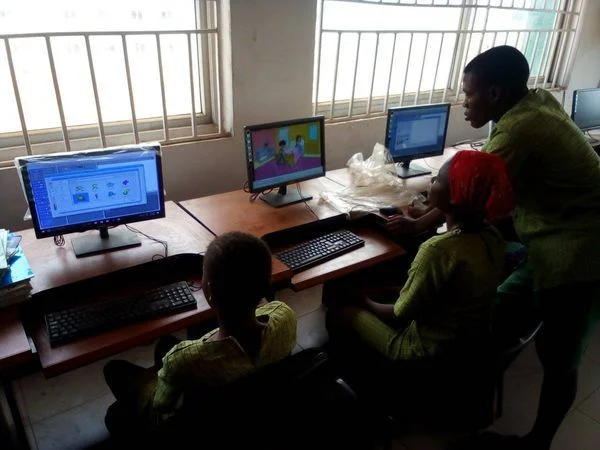
Imagine that. I was still a student, still figuring things out myself, but I was already gathering people around what I was learning. That became another pattern that would follow me for years:
Learn something → build something → teach someone else.
The Competitions#
School also gave me another opportunity to test myself. I started attending technology-based competitions. And eventually, I came first among public schools in Ogun State.
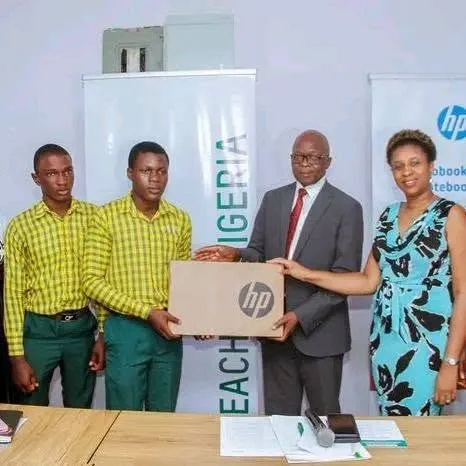
That experience did something to me. It showed me that this wasn't just a hobby. I could compete. I could build. I could learn quickly.
I could stand in a room with people who were interested in technology and hold my own. And, perhaps more importantly, I started to realise that I wanted to see just how far I could take this.
Part 023 min read
Finding my people
The Day I Left Home for a Tech Event#
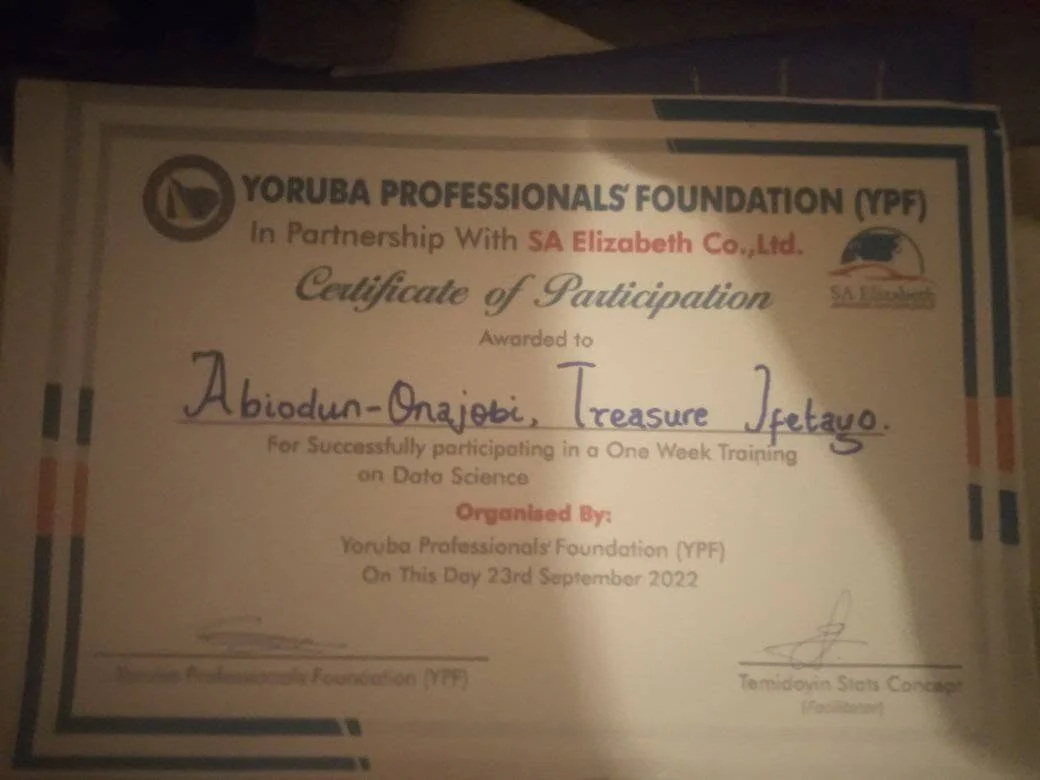
One of the first major events I attended without my parents was in Abeokuta. It was hosted by YPF. For me, this wasn't just another event. It was one of those moments where you begin to realise that there is an entire world outside your school and your immediate environment.
I met people. I heard people talk about technologies I hadn't used before. And somewhere around that period, I encountered Django. I remember getting a course from Tobi and deciding:
Alright. I'm learning this.
And I did. That became my introduction to Django. Later, Django would become one of the technologies I used professionally.
Then DSN Changed the Direction#
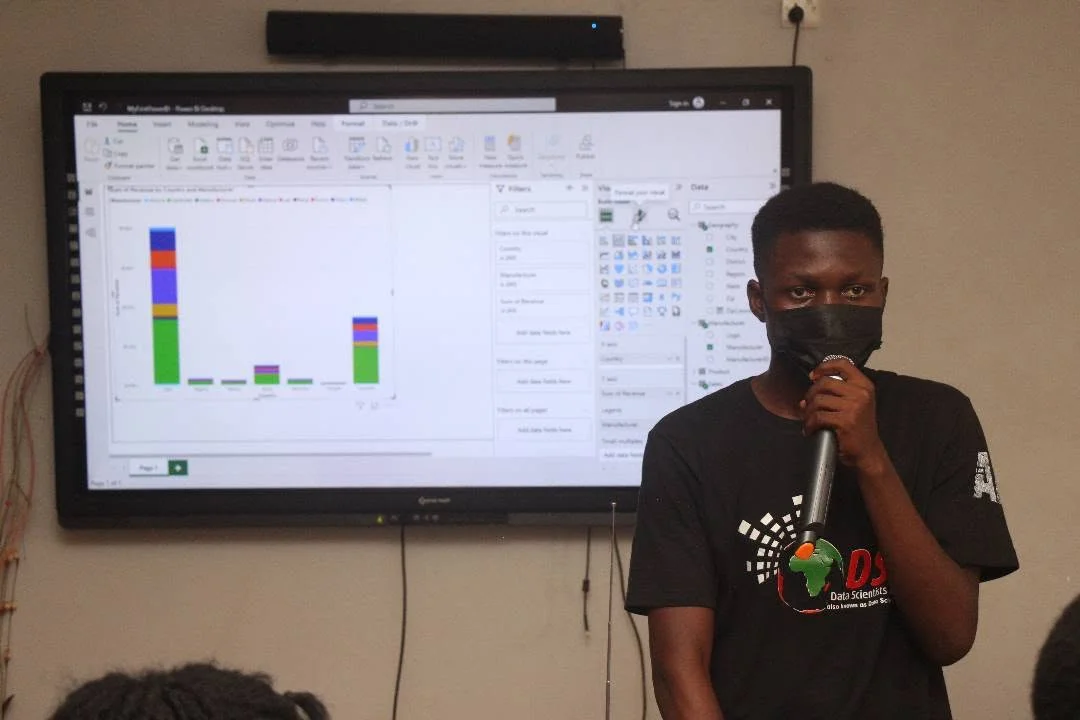
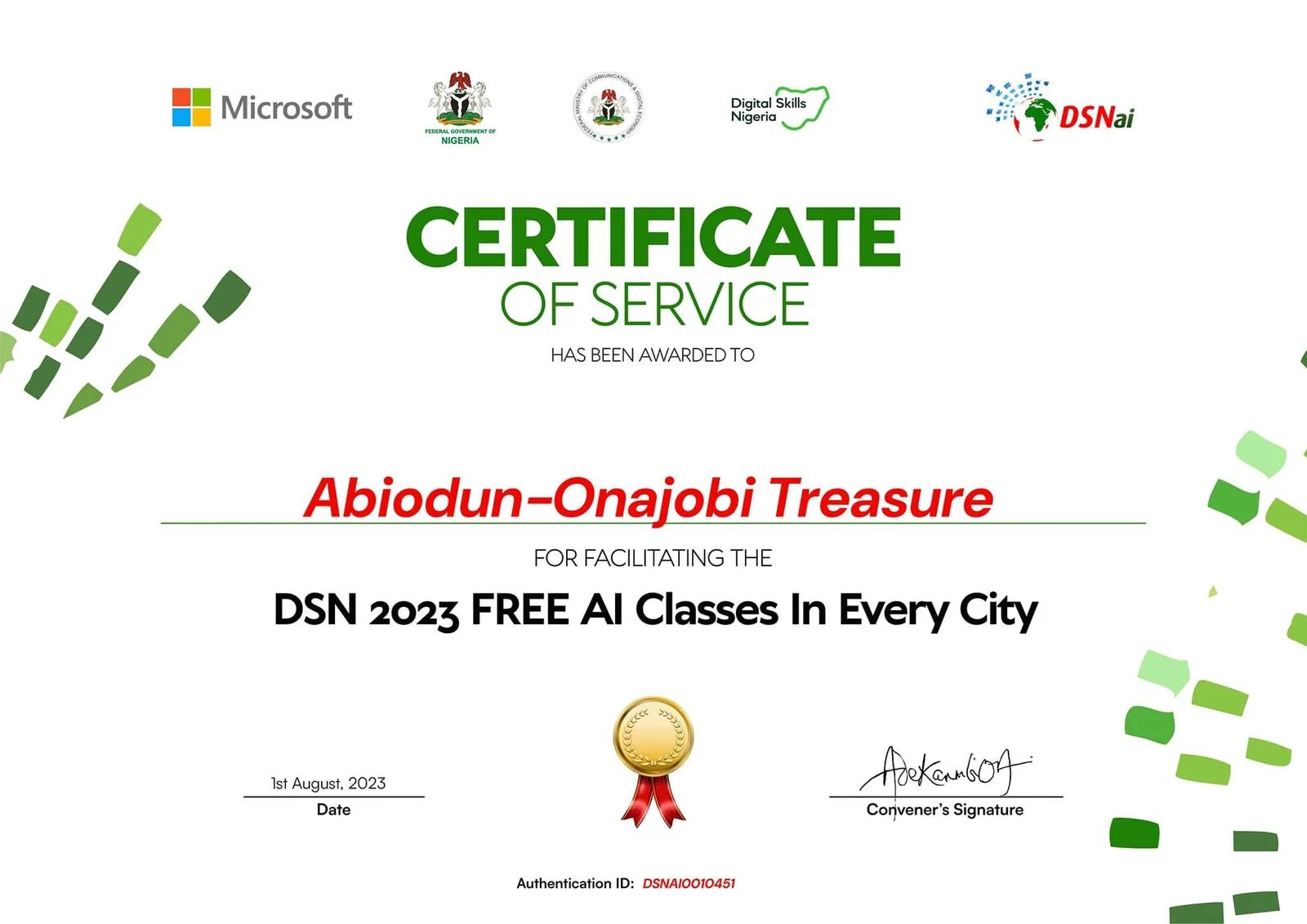
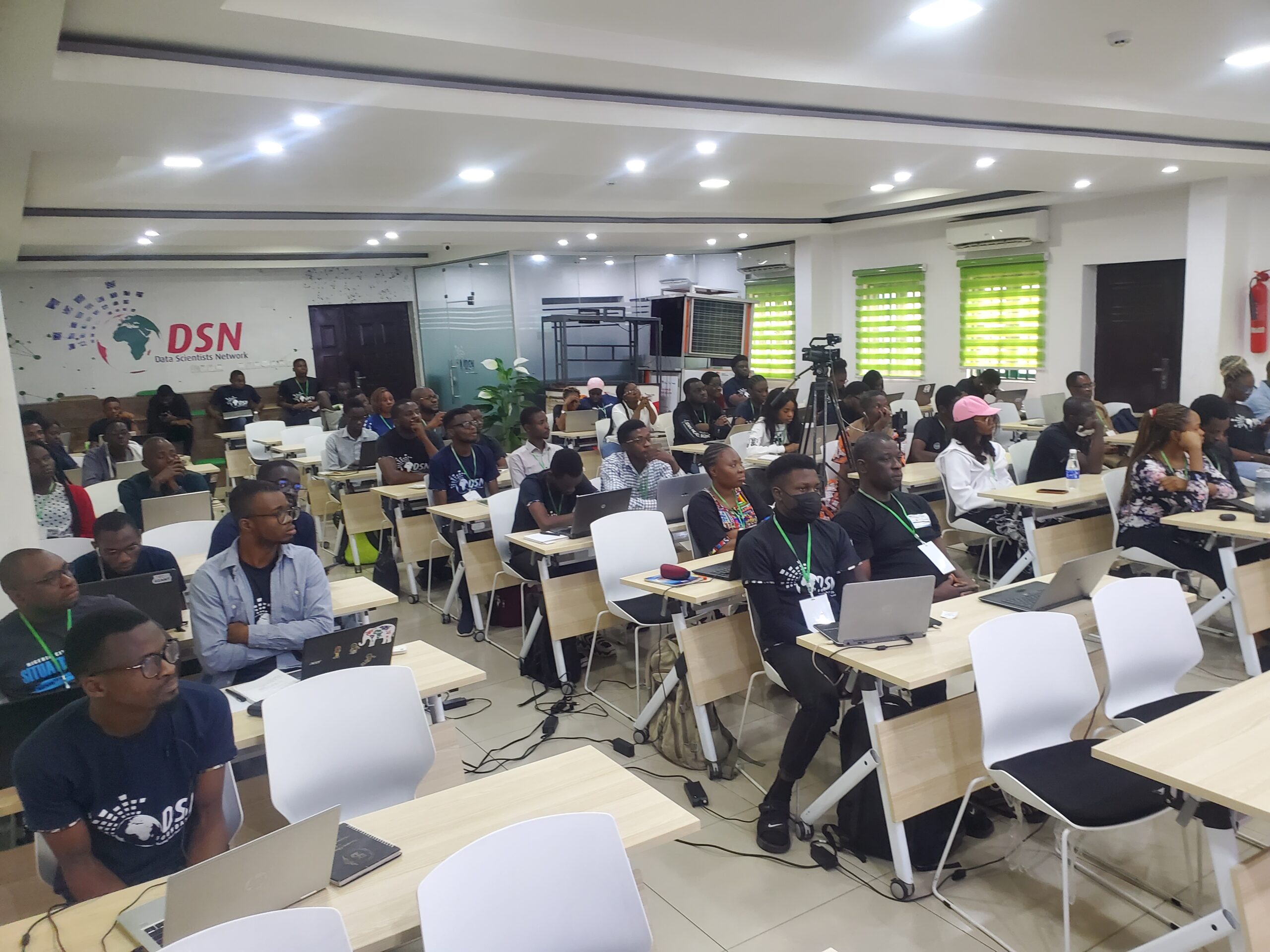
One of the biggest turning points in my technology journey came when I saw an opportunity to volunteer for a Data Science Nigeria AI program that was being organised across cities. I applied. And I got involved. This was important because I wasn't just learning anymore.
I was becoming part of a technology community. I was meeting people. I was exposed to data science and AI. And I started discovering something I hadn't fully understood before:
technology was much bigger than writing code.
There was data. There was artificial intelligence. There was research. There was education. There were communities.
There were businesses. There were opportunities. And there were people trying to solve real problems. My curiosity started expanding.
I Started Teaching Before I Even Realised Teaching Was Becoming Part of My Story#
One of the things I didn't plan was becoming a teacher. It just kept happening. I taught. Then I taught again. Then somebody else asked me to teach.
Eventually, I found myself teaching technology in places I never expected. I taught at Tai Solarin University of Education (TASUED).
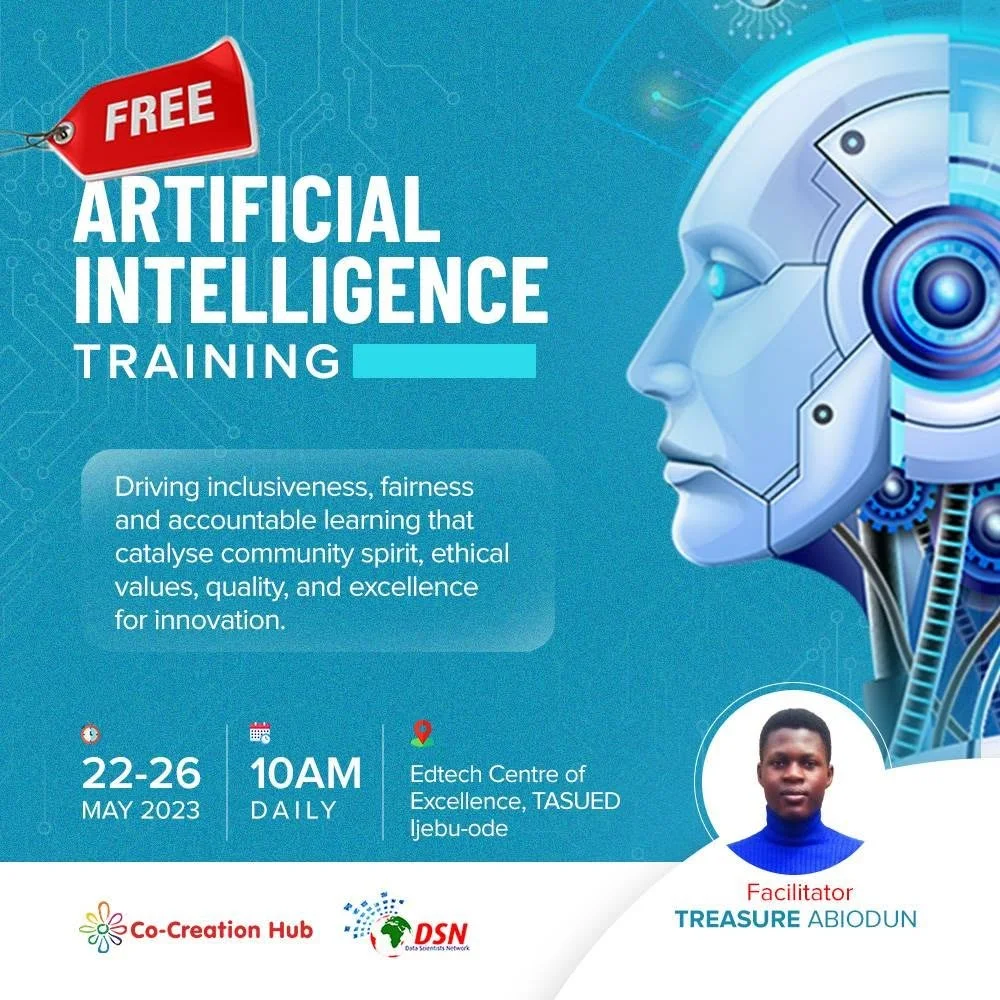
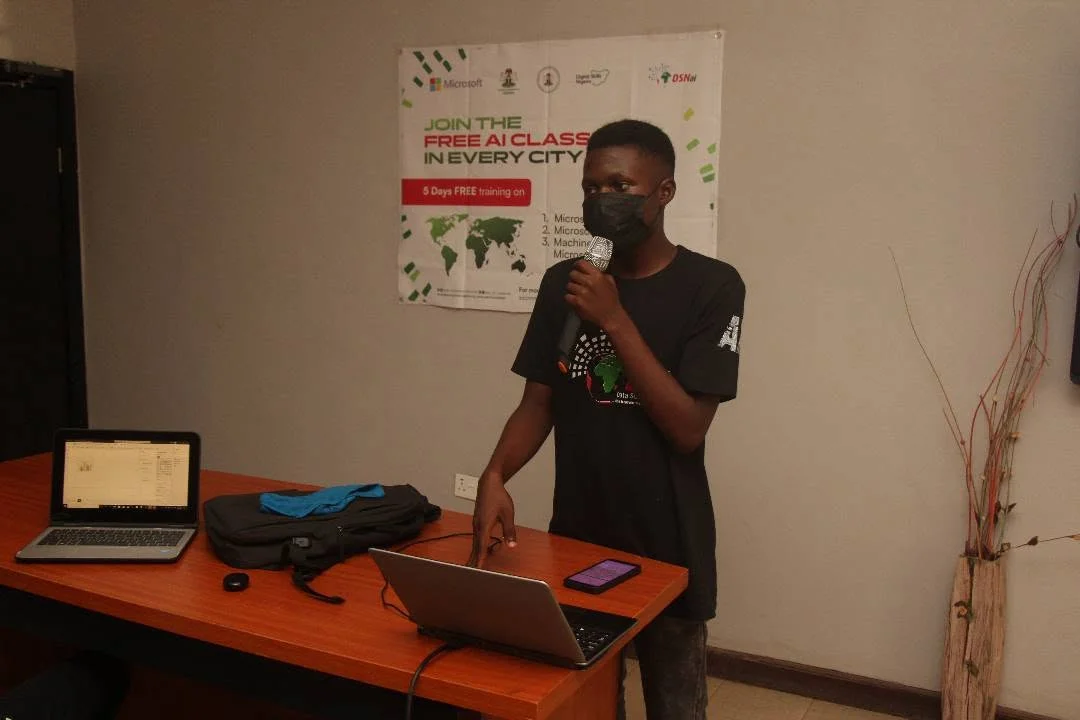
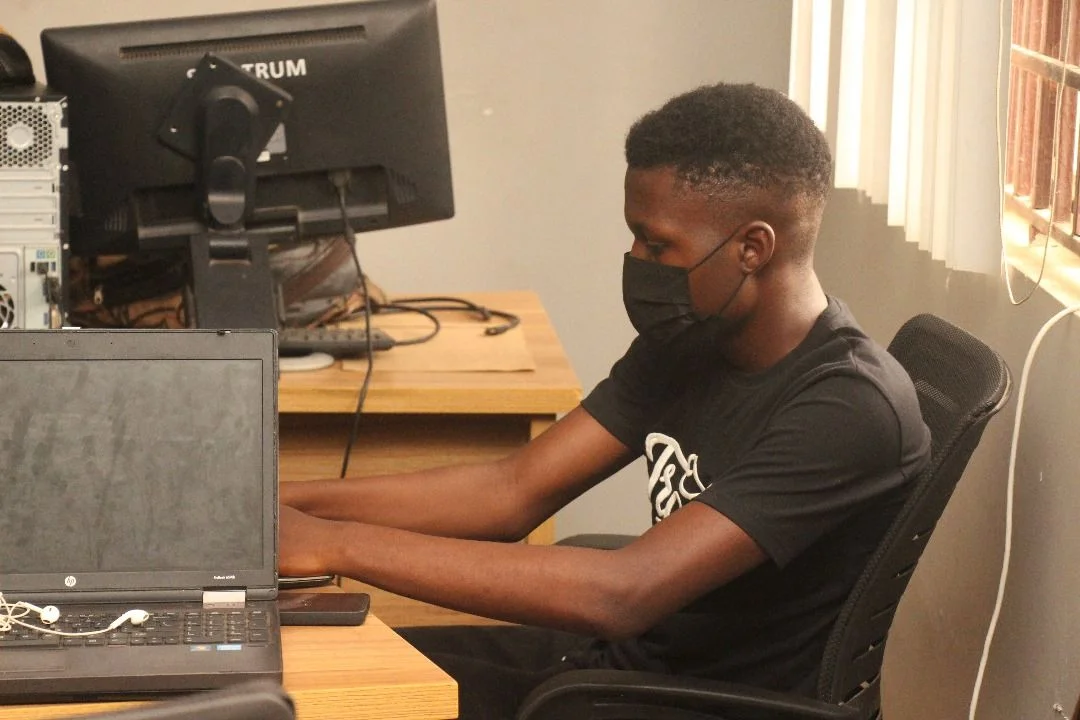
I taught at Olabisi Onabanjo University (OOU).
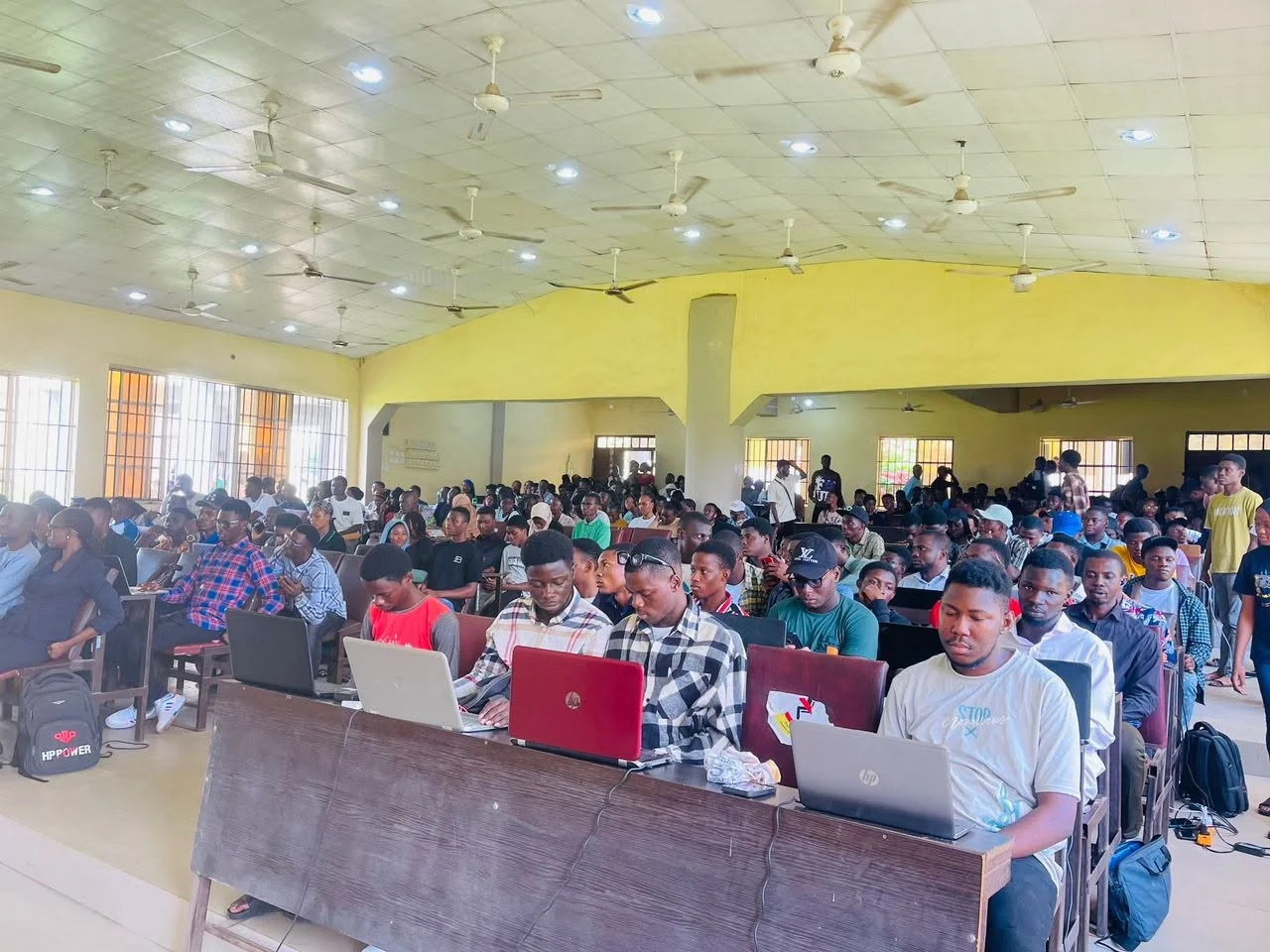
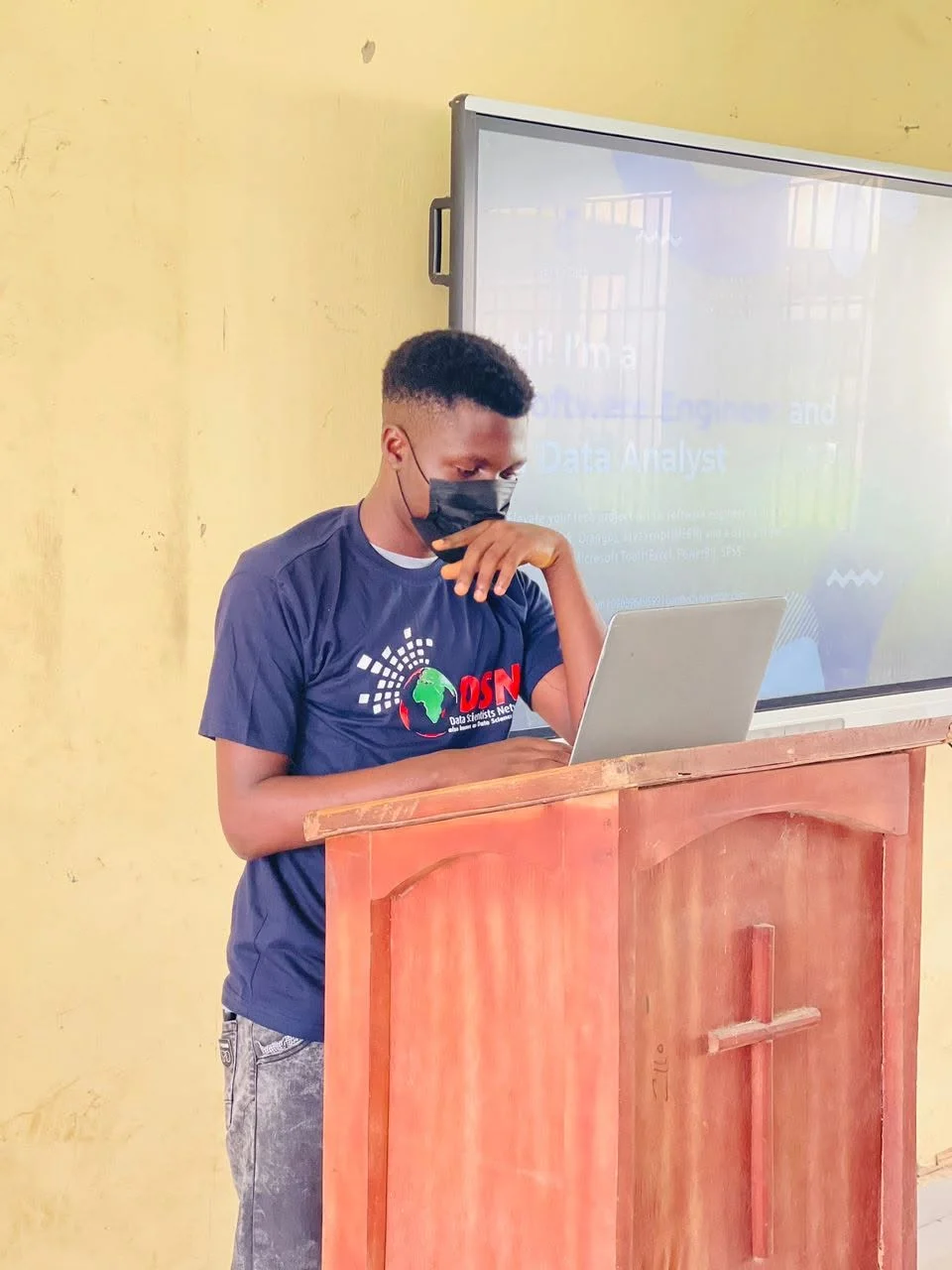
I don't really like taking pictures, but there are still pictures and videos from some of these moments. At TASUED, something particularly memorable happened. I had initially been there in a volunteer capacity. I did what I had always done:
I showed up and delivered.
Apparently, I delivered well enough that TASUED later called me back — this time as a paid instructor. There is also a professor who can attest to the work I did there. That experience taught me something I would carry into every part of my career:
Don't obsess over the title. Become so useful that people remember you.
Three Days at Pelican#
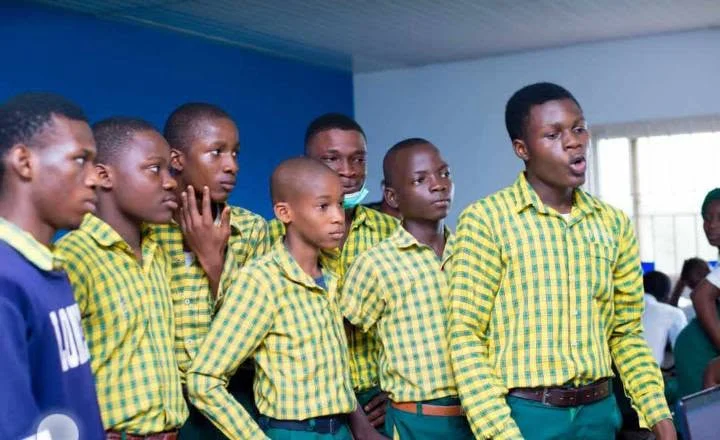
Along the way, I hosted a free three-day training at Pelican, a secondary school in Ogun State. For three days, I got to share what I knew with students who were still at the beginning of their own journeys. I had once been the student who needed access to a computer and the chance to try something.
Now I was the person helping create that chance for someone else.
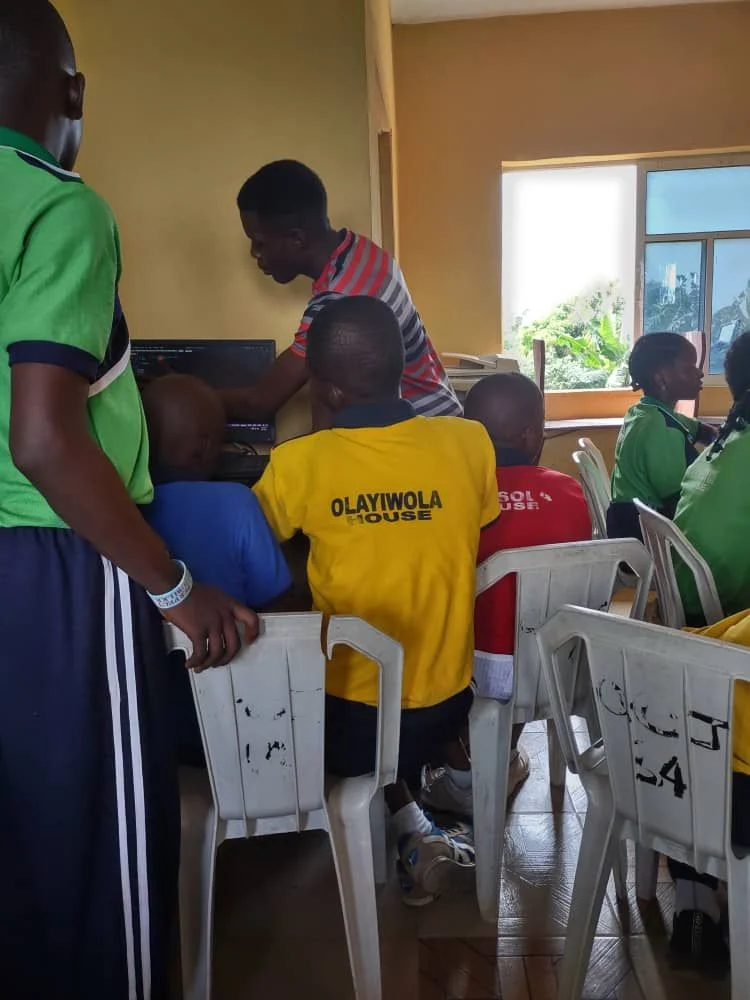
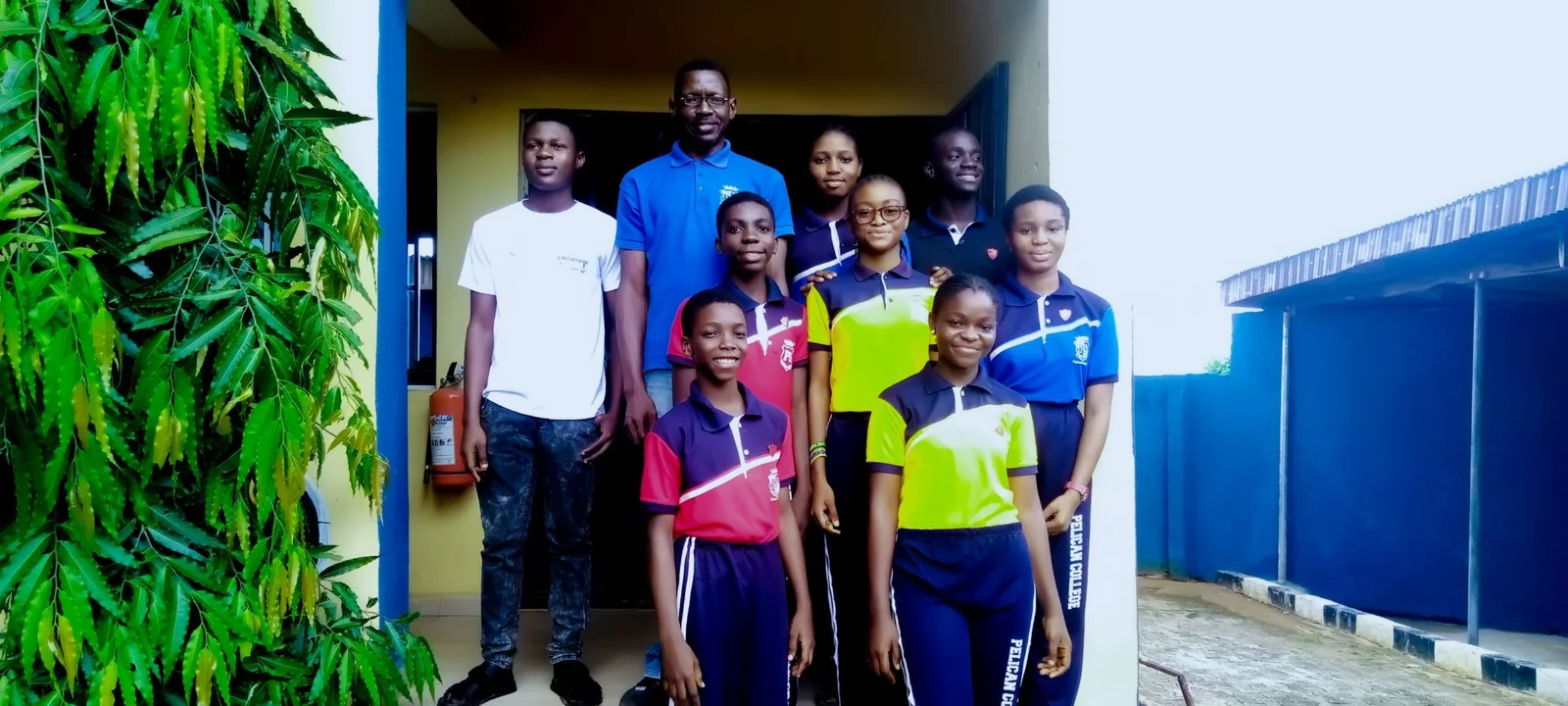
Learn something → build something → teach someone else.
That pattern was still following me.
Good Work Travels#
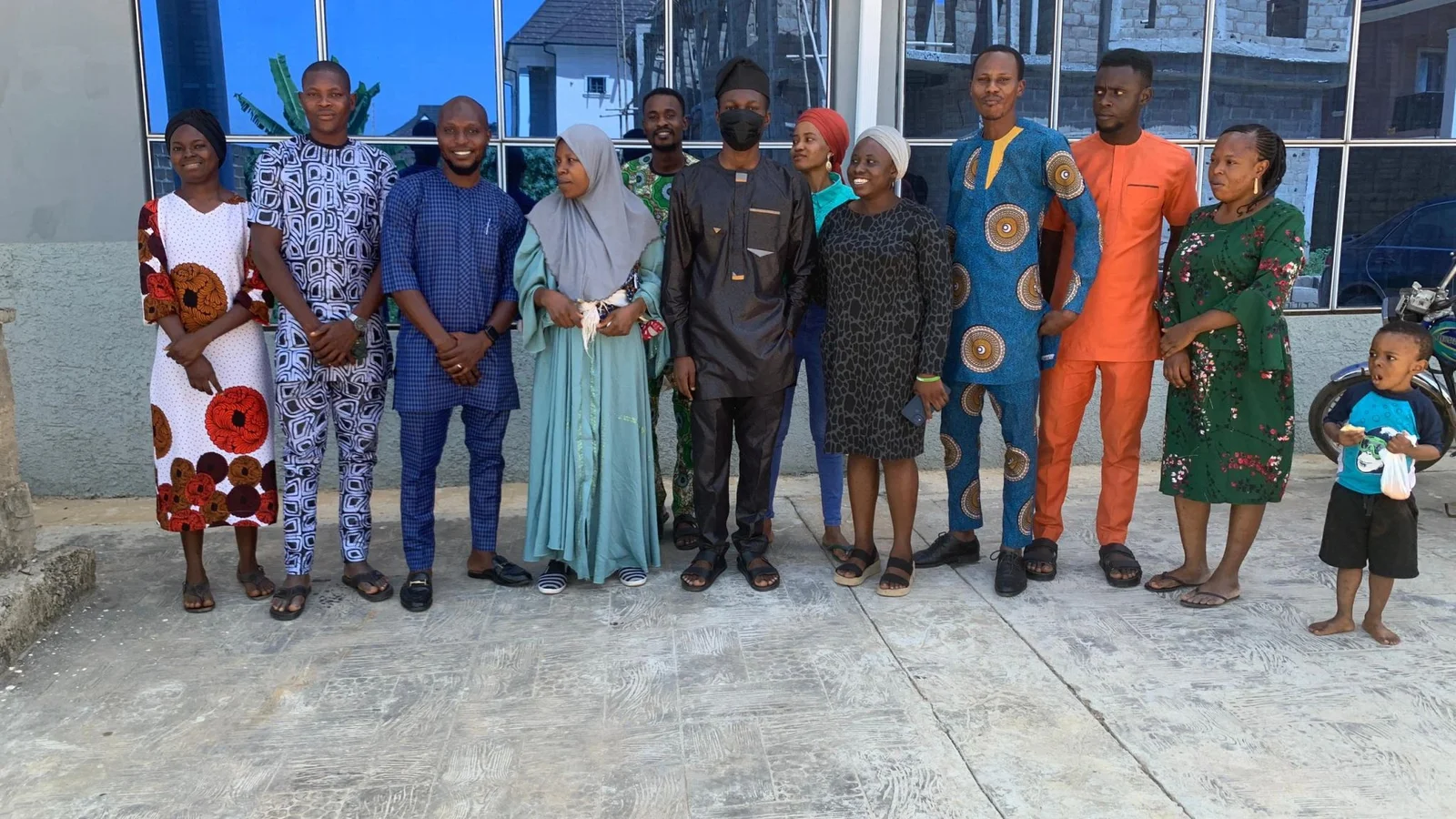
The teaching didn't stay in one place. I also taught in Osogbo and Ilesa. In Ilesa, I taught web development. And the opportunity to teach in Osogbo came through a recommendation because of the good work I had done in Ijebu.
That meant something to me. The work I did in one classroom could open the door to another. It was another reminder of the lesson I was already learning:
Show up. Do the work well. People remember.
From Volunteer to Professional#
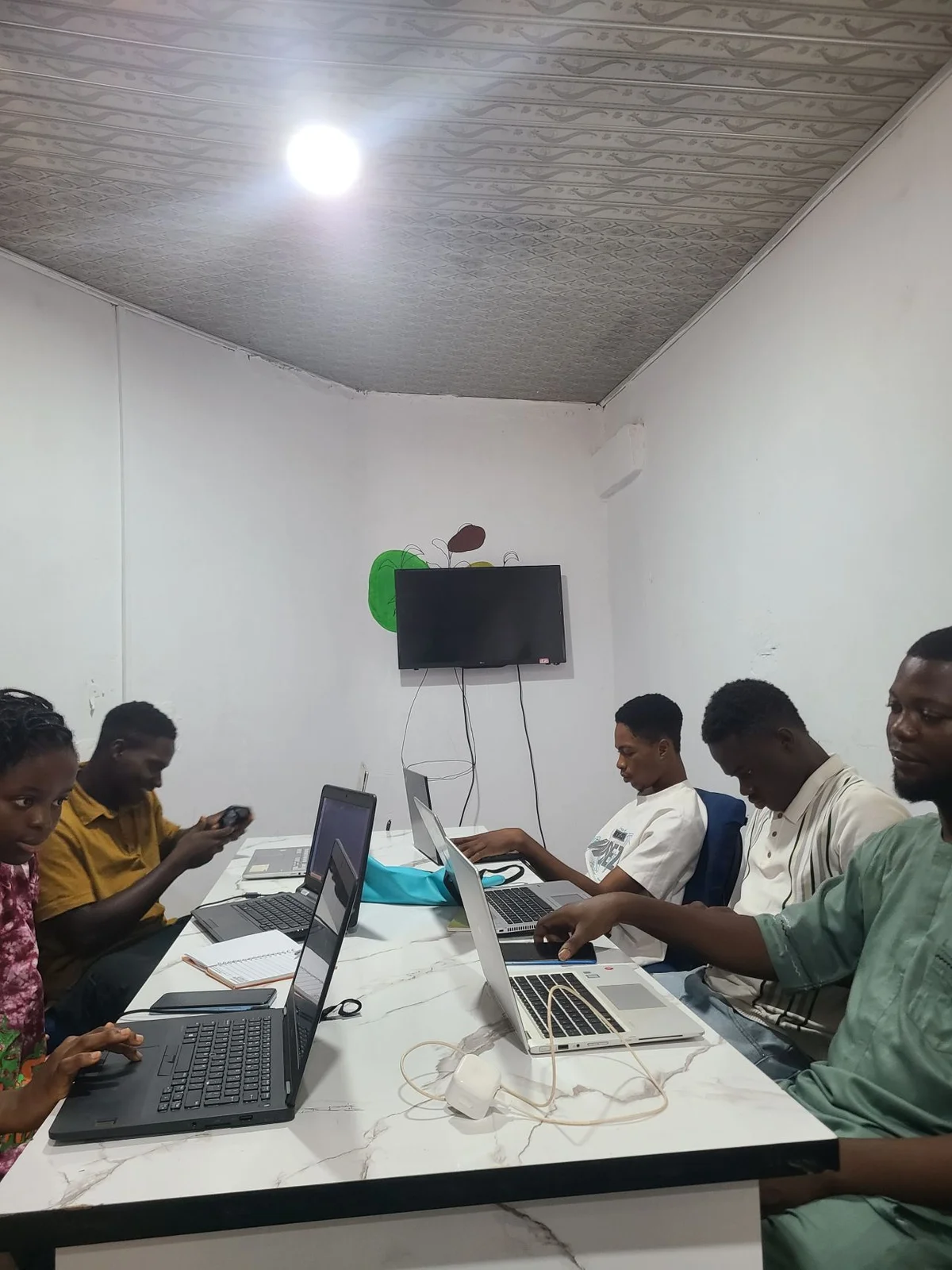
The volunteer experience eventually opened another door. I got an opportunity to work with a blockchain company. That was another major transition. I had moved from learning. To competing.
To teaching. And now I was working professionally with technology and data. At the same time, even while I was still in secondary school, I had already started getting small gigs as a web developer. I was building websites. I was teaching web development.
I was experimenting. Basically, if someone had a technology problem and thought I could help, there was a good chance I would say:
“Let's see.”
Part 032 min read
Building for real
I Wasn't Just Learning. I Was Building.#
This is probably one of the most important parts of my story. I didn't learn technology in a straight line. It was messy. I jumped between things. I built things.
I joined projects. Some worked. Some failed. Some never became what we imagined. And honestly, I'm grateful for that.
Because every failed project taught me something that another tutorial couldn't.
Yulav.io#
One of my early startup experiences was Yulav.io. It was one of the first places where I properly used Django in a startup environment. The startup eventually failed. And that's okay. Because the company failing didn't mean the experience failed.
I got to experience what it was like to build software in a real startup environment. Deadlines. Product decisions. Teamwork. Changing requirements.
Things breaking. Trying again. And learning that building software professionally is very different from building a project alone. My public professional footprint still lists me as a Software Engineer at Yulav, with the role dating back to January 2023. That chapter became one of the foundations of the engineer I would eventually become.
Babyducts#
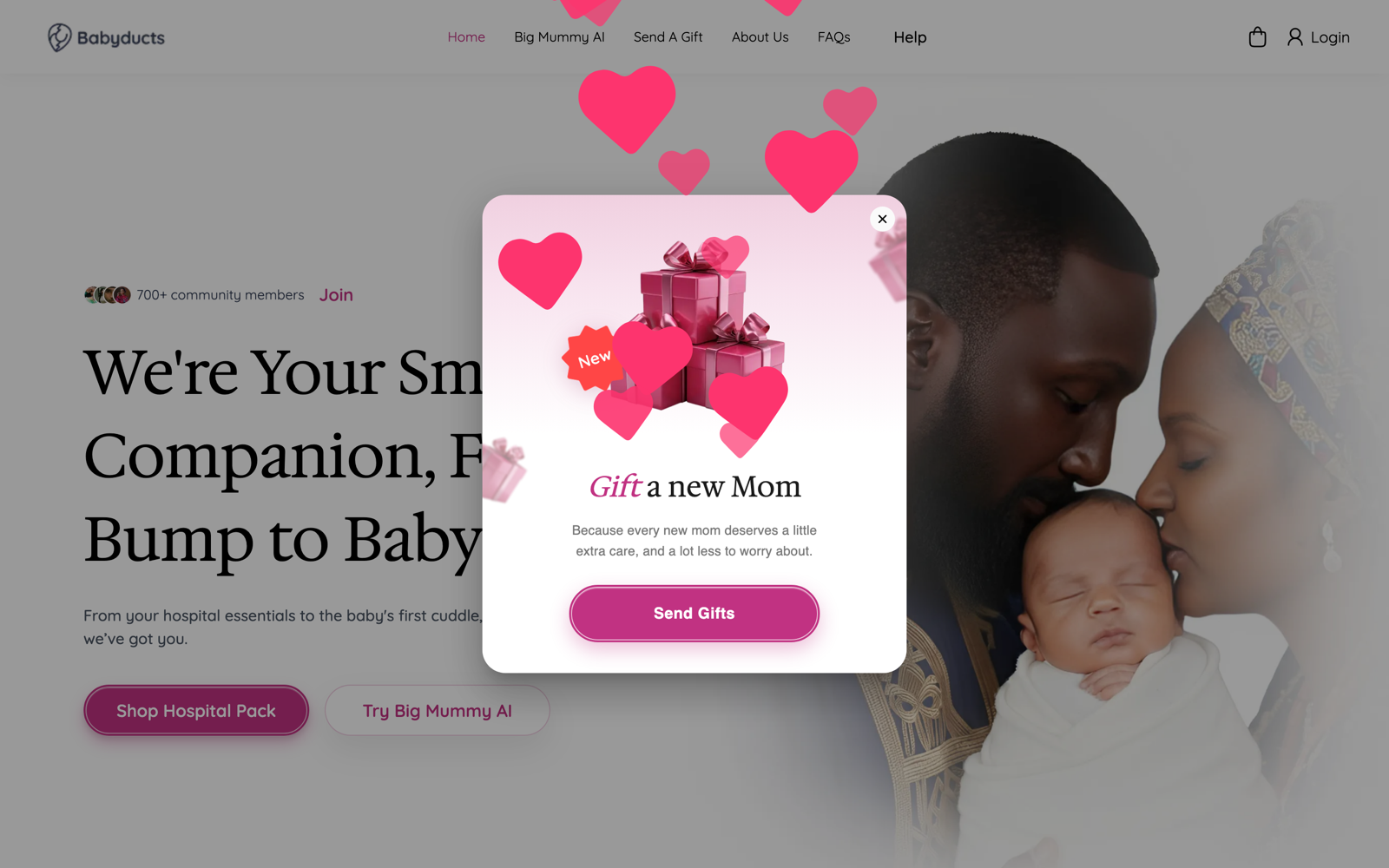
Then came Babyducts. This one was particularly interesting because it wasn't just another software project. It was a health-focused product supporting mothers and families. Today, Babyducts publicly describes itself as a health and human services company, with the mission of being a “smart companion, from bump to baby,” and publicly lists me among its team.
Working on products like this taught me something I increasingly value:
software is not the product.
The product is the problem you're solving. The code is simply one of the tools.
And There Were More#
Yulav wasn't the only startup. Babyducts wasn't the only company. I've worked with a university. I've worked with Kekedrop. I've worked on different products, projects and freelance gigs.
There are more chapters sitting across my portfolio, GitHub, LinkedIn and old social-media posts. Some are polished. Some are messy. Some lasted. Some didn't.
Some taught me technology. Others taught me people. And some taught me exactly what not to do. That variety is actually one of the things I'm most grateful for. Every project gave me another piece of the puzzle.
Part 041 min read
Becoming garriTech
Somewhere Along the Way, I Became garriTech#
And then there's the name.
garriTech.
No, I didn't hire a branding agency. There wasn't a five-step naming workshop. It was much more Nigerian than that. 😂 Technology is competitive.
There are thousands of developers. Thousands of people calling themselves software engineers. Thousands of people trying to stand out. I wanted a name people would remember. And there was another very important factor:
I used to drink a lot of garri.
So I put the two things together. Garri + Tech.
garriTech.
And somehow, it stuck.
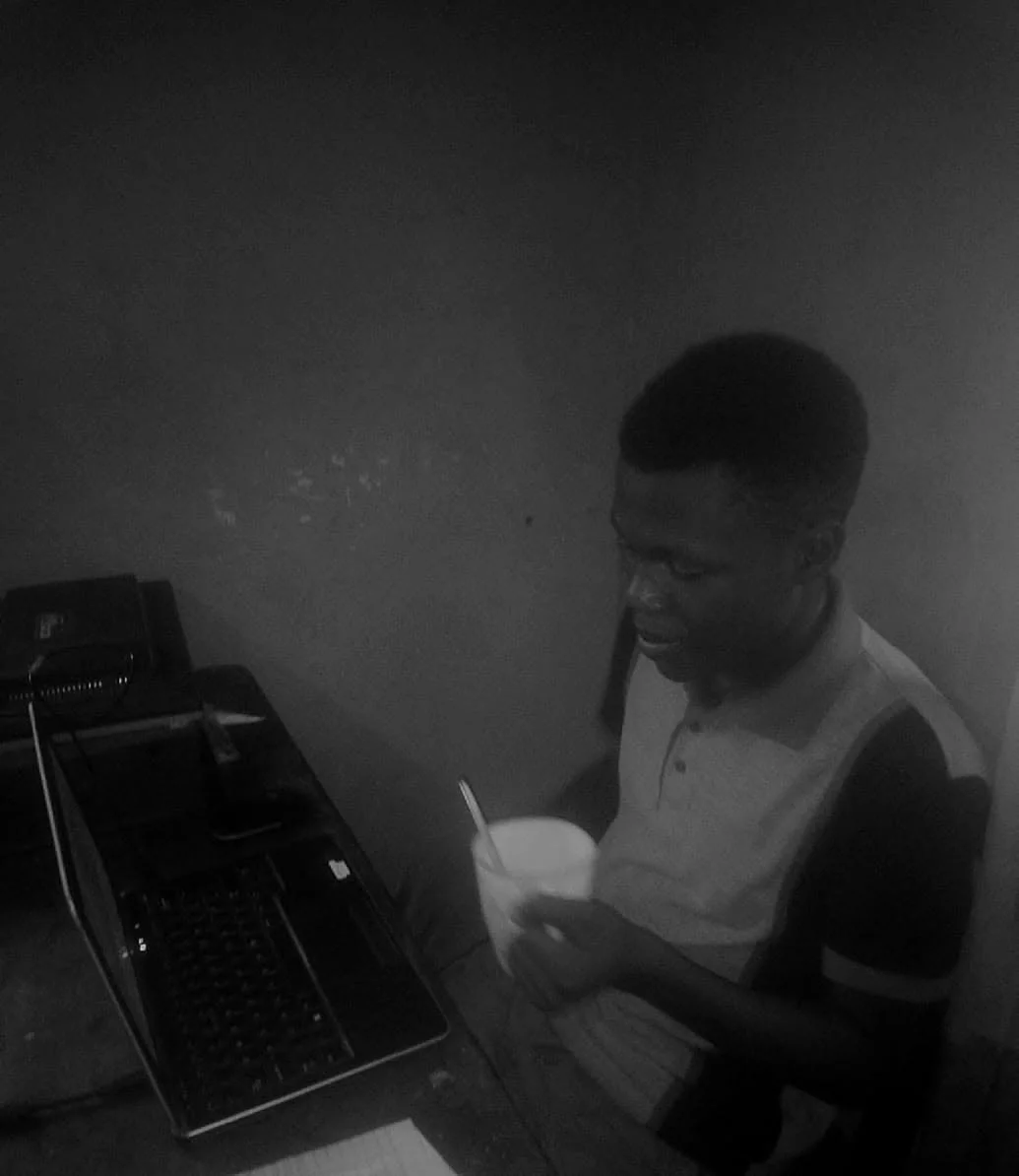
The name has actually become one of my best networking tools. Sometimes I reach out to someone I've never met. They see:
garriTech
And instead of ignoring the message, they ask:
“Wait, why garriTech?”
And suddenly, we have a conversation. That is the funny thing about branding. Sometimes the best brand isn't the most sophisticated one. Sometimes it's the one that makes someone curious. The name eventually became attached to my public developer identity across GitHub, X, Instagram and Stack Overflow.
Someone had even submitted a definition of “garriTech” to Urban Dictionary:
“A techie that loves garri.”
😂 I'll take it.
Part 053 min read
Building community
But Technology Was Becoming Bigger Than Me#
For a while, my journey was mostly about becoming better. Better developer. Better teacher. Better builder. Better engineer.
But something started bothering me. Why did most technology opportunities seem concentrated in places like Lagos, Abuja and other established tech hubs? What about people in places like Ilesa? What about the student who has never attended a tech event?
What about the teenager who has never written a line of code? What about someone who is talented but simply doesn't know anyone in technology? I knew what it felt like to figure things out without a mentor. I knew what it felt like to search for answers yourself.
I knew what it meant to discover an opportunity almost by accident. So I started thinking:
What if we built the environment I wish I had found earlier?
Ilesa Tech#
That question eventually became Ilesa Tech. The idea was simple:
Build a technology community in Ilesa.
Not a WhatsApp group that shares job links. Not another organisation that exists only on paper. A real community. People learning. People building.
People meeting. People teaching. People finding opportunities. People discovering that they don't have to leave their city before they can participate in technology. Today, Ilesa Tech publicly describes itself around three ideas:
Learn Practically. Build Together. Impact Locally.
And the community now runs training, meetups, mentorship, opportunity programs, hackathons and real-world projects.
The First Ilesa Tech Hangout#
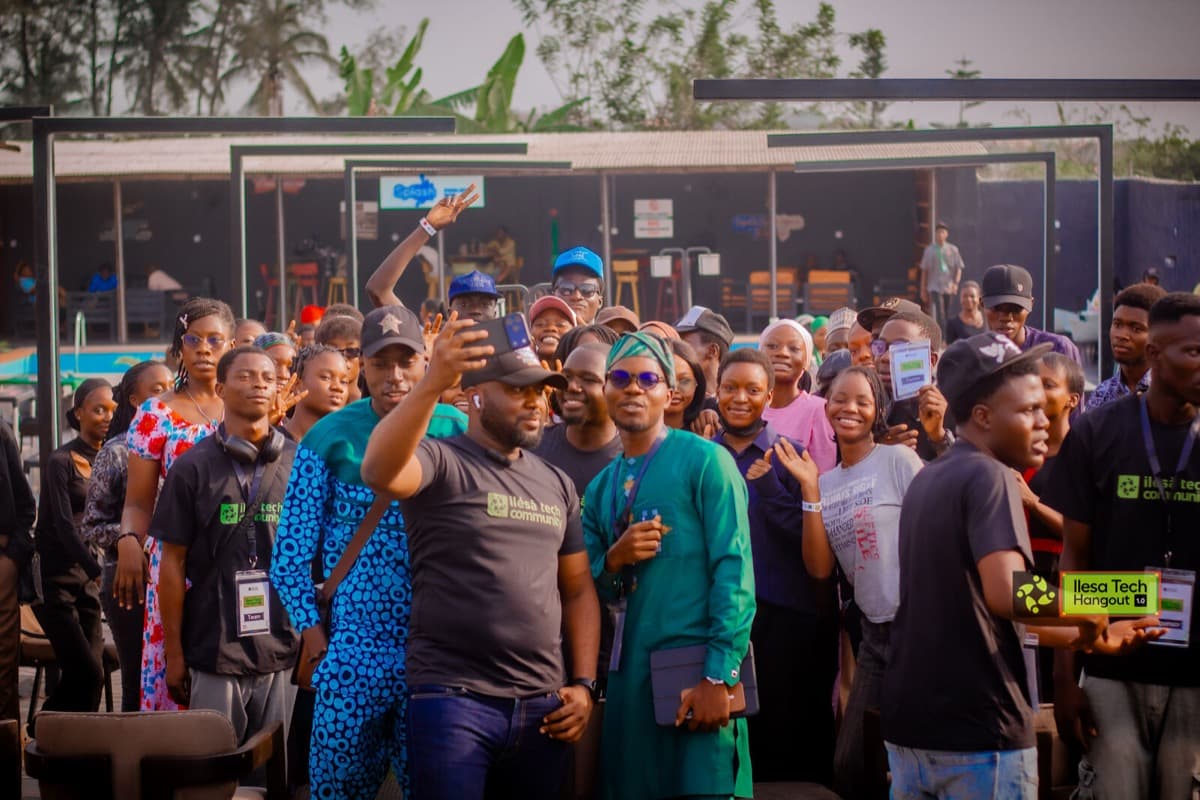
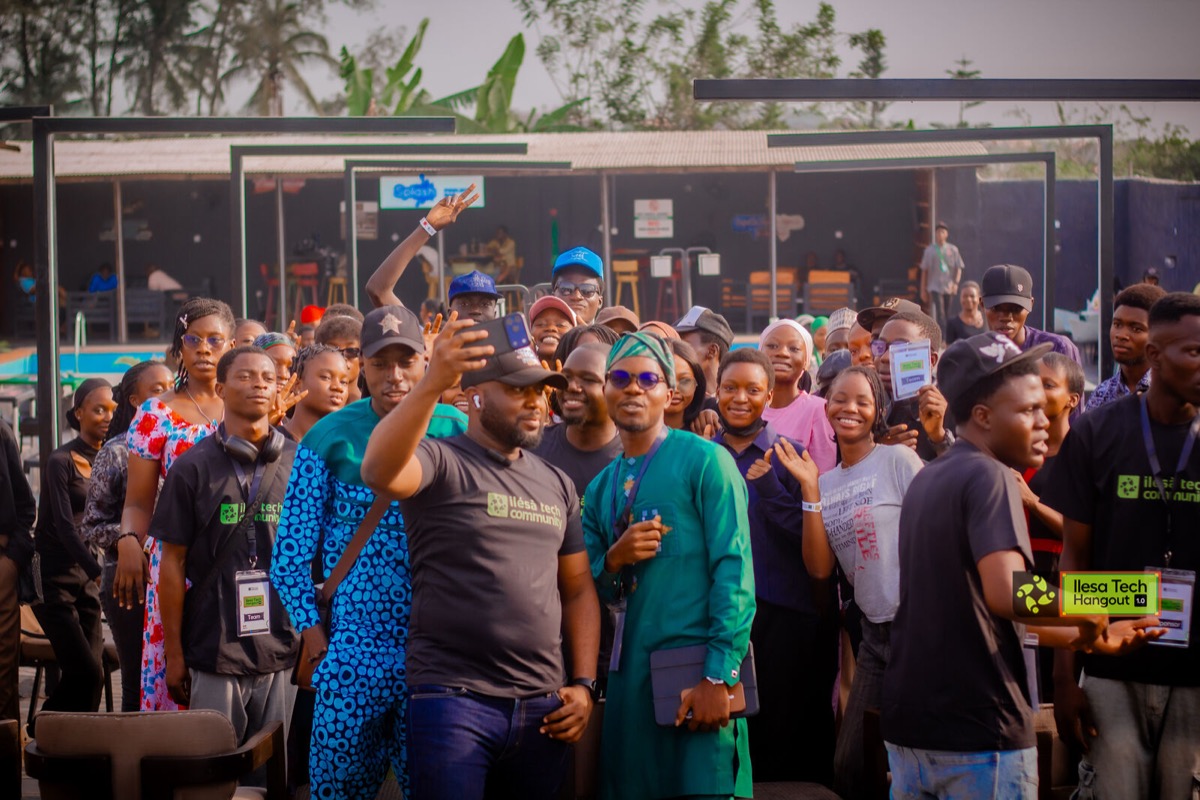
On February 28, 2026, something that had existed mostly as an idea became physical. We hosted the first Ilesa Tech Hangout. For many people, technology conversations happen in Lagos. Or Abuja. Or globally recognised tech hubs.
But Ilesa has brilliant people too. People who want to learn. People who want to build. People who want to participate. They just needed somewhere to start.
That was the point of the hangout. And standing in that room, looking at people who had actually shown up, I realised something:
This was bigger than me.
The public announcement I wrote after the event captured the vision: build a thriving tech community in Ilesa, create opportunities for young people in the Ijesa region, and prove that innovation can grow anywhere. The event also received public coverage, which was surreal in its own way.
Because the boy who once helped his parents with school-related work in Excel was now helping organise a technology community.
Taking Technology Back to Schools#
But I didn't want Ilesa Tech to stop at university students and young professionals. I kept thinking about my younger self. The kid who wanted to hack systems. The kid who wanted to build games. The kid who just needed access to a computer and someone to say:
“Try this.”
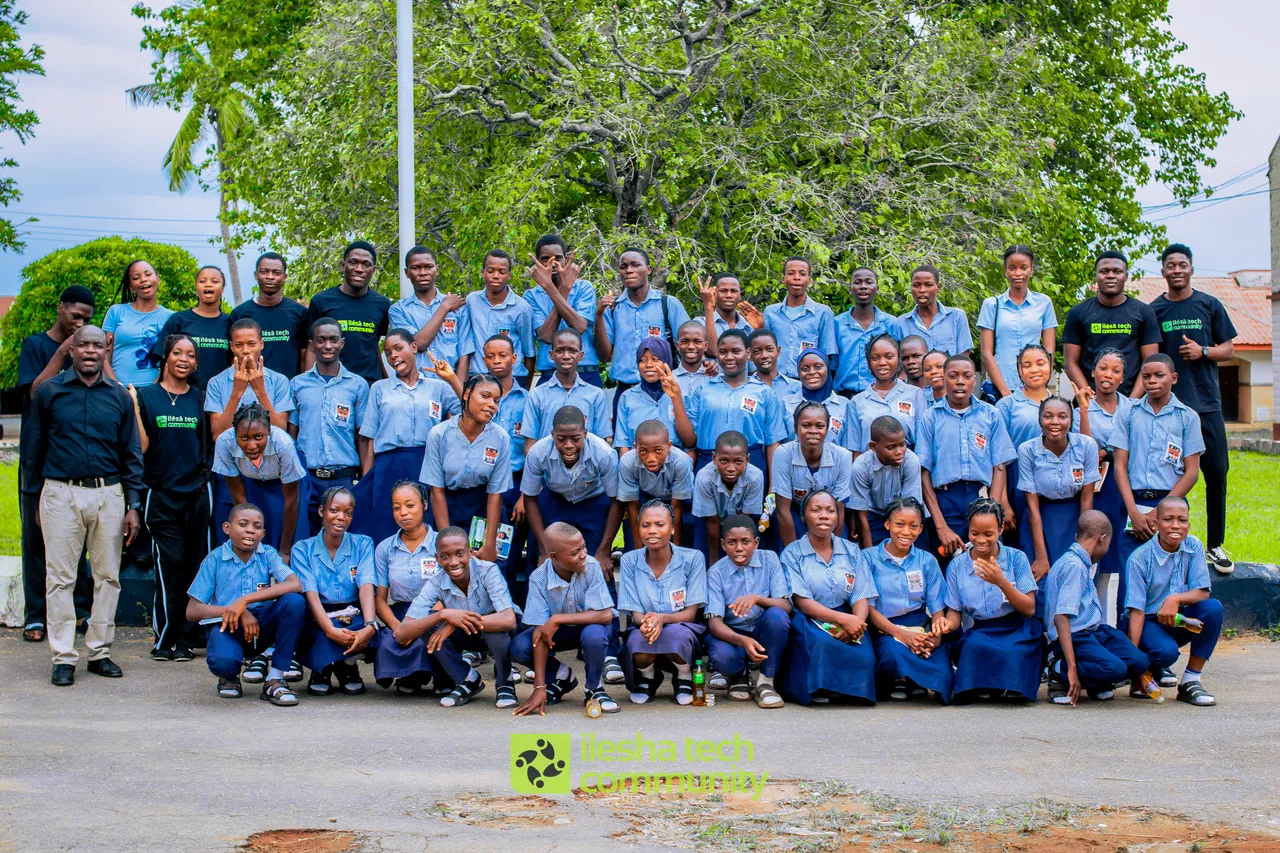
So we started looking toward secondary schools. In 2026, Ilesa Tech launched a grassroots initiative aimed at introducing secondary-school students to foundational technology skills. The plan included hands-on training, mentorship and a technology competition where students could demonstrate what they learned.
And that mission is deeply personal to me. Because I know what early exposure can do. I know what one computer teacher can do. I know what one functioning computer lab can do. I know what one person believing in a curious student can do.
Sometimes you don't need to change someone's entire life. Sometimes you just need to give them the first opportunity.
From the Child Following Teachers to the Teacher#
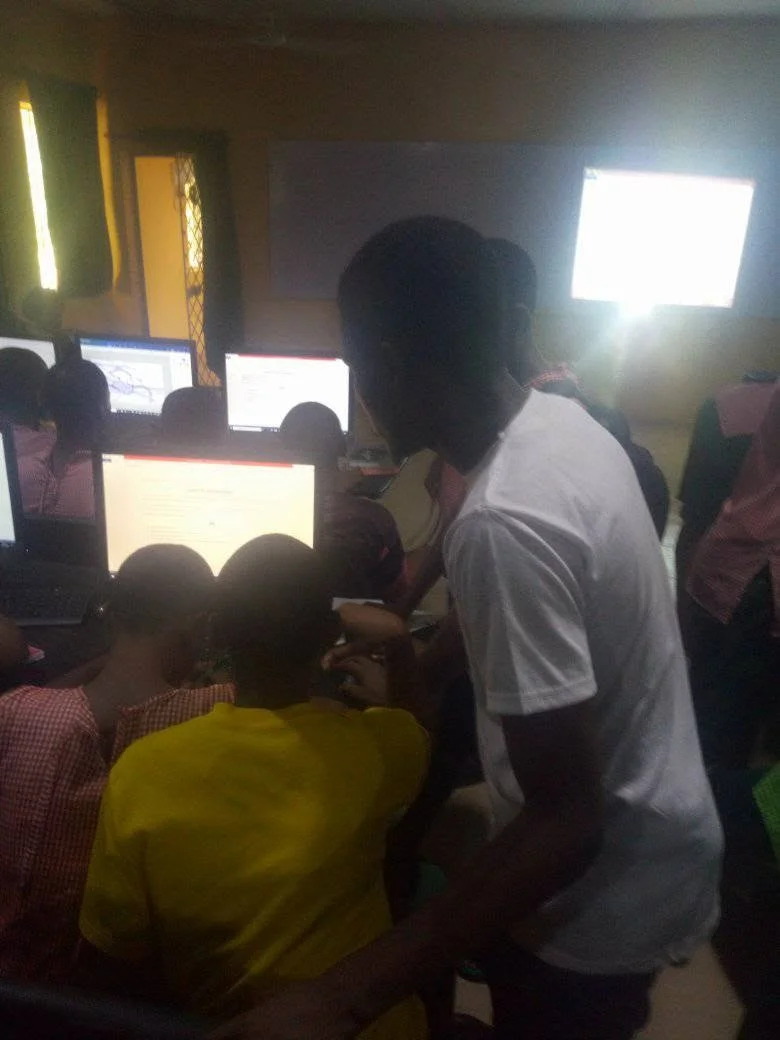
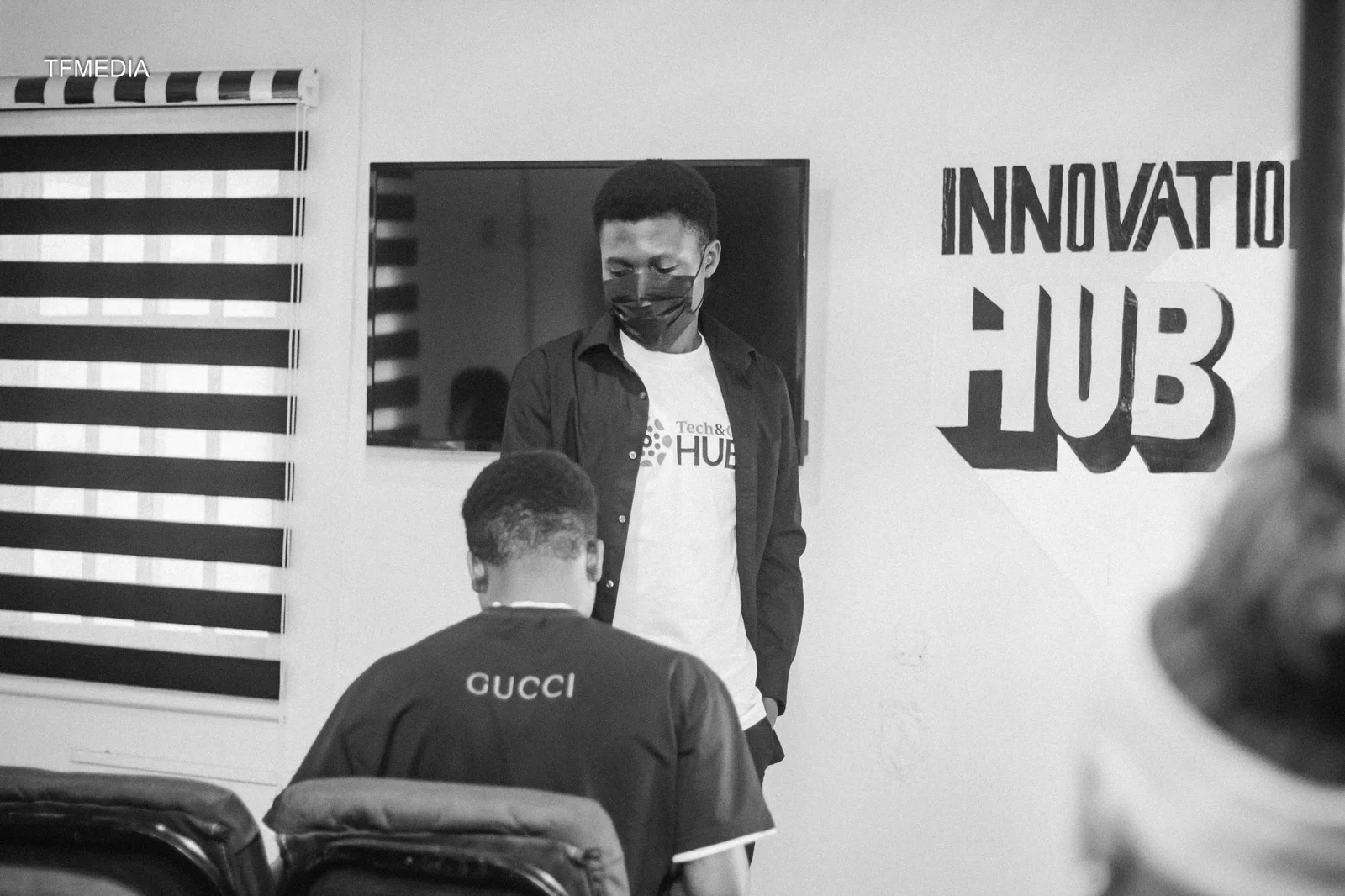
There is something almost funny about the full circle. At five, I followed my parents — both teachers — around schools. I helped them with school-related work using Excel. Years later, I was standing in classrooms teaching technology myself. Then I was teaching university students.
Then young professionals. Then communities. And eventually, we started taking technology education back into secondary schools. I didn't plan that story. But looking back, it makes sense.
Maybe I was always going to teach. Maybe I just needed technology to give me something worth teaching.
Part 063 min read
Still becoming
I Still Build#
Community has become a major part of my journey, but I haven't stopped being an engineer. I still love building products. I still get excited about a problem that makes me think:
“There has to be a better way to do this.”
I've worked across web development, data, AI, health technology, education, commerce, fintech and other products. I've built things that worked. I've built things that didn't. I've joined teams. I've left teams.
I've started things. I've abandoned things. I've learned new frameworks because a project demanded it. I've learned new technologies because curiosity demanded it. And I suspect that part will never change.
What I Actually Learned#
If I had to reduce the entire journey to a few lessons, they wouldn't be technical.
1. You don't need a perfect roadmap.
I didn't have one. I just kept following the next interesting problem.
2. Curiosity is a superpower.
The question “How does this work?” has taken me further than any career plan could have.
3. Teaching makes you better.
Every time I teach something, I discover what I don't actually understand.
4. Your environment matters.
A functioning computer laboratory reignited something in me. A teacher encouraged me. An event exposed me to Django. A volunteer opportunity opened the door to professional work. Sometimes the difference between potential and progress is simply access.
5. Build things.
Certificates are useful. Courses are useful. But nothing teaches you like trying to build something real.
6. Don't be afraid to be memorable.
There are a lot of engineers. There is only one garriTech.
So, Who Is garriTech?#
I could say: I'm a software engineer. I'm a product builder. I'm a data person. I'm a teacher.
I'm a community builder. All of those are true. But none of them tells the full story. I think I'm still the same curious kid who wanted to understand how computers worked. The difference is that now I have better tools.
And more people around me. And hopefully, a little more wisdom. The laptop that once represented curiosity became a tool for building. The things I learned became things I could teach. The opportunities I found became opportunities I wanted to create for others.
That's probably the biggest shift in my journey. At first, I wanted technology to take me somewhere. Now, I want to use technology to build something where I am.
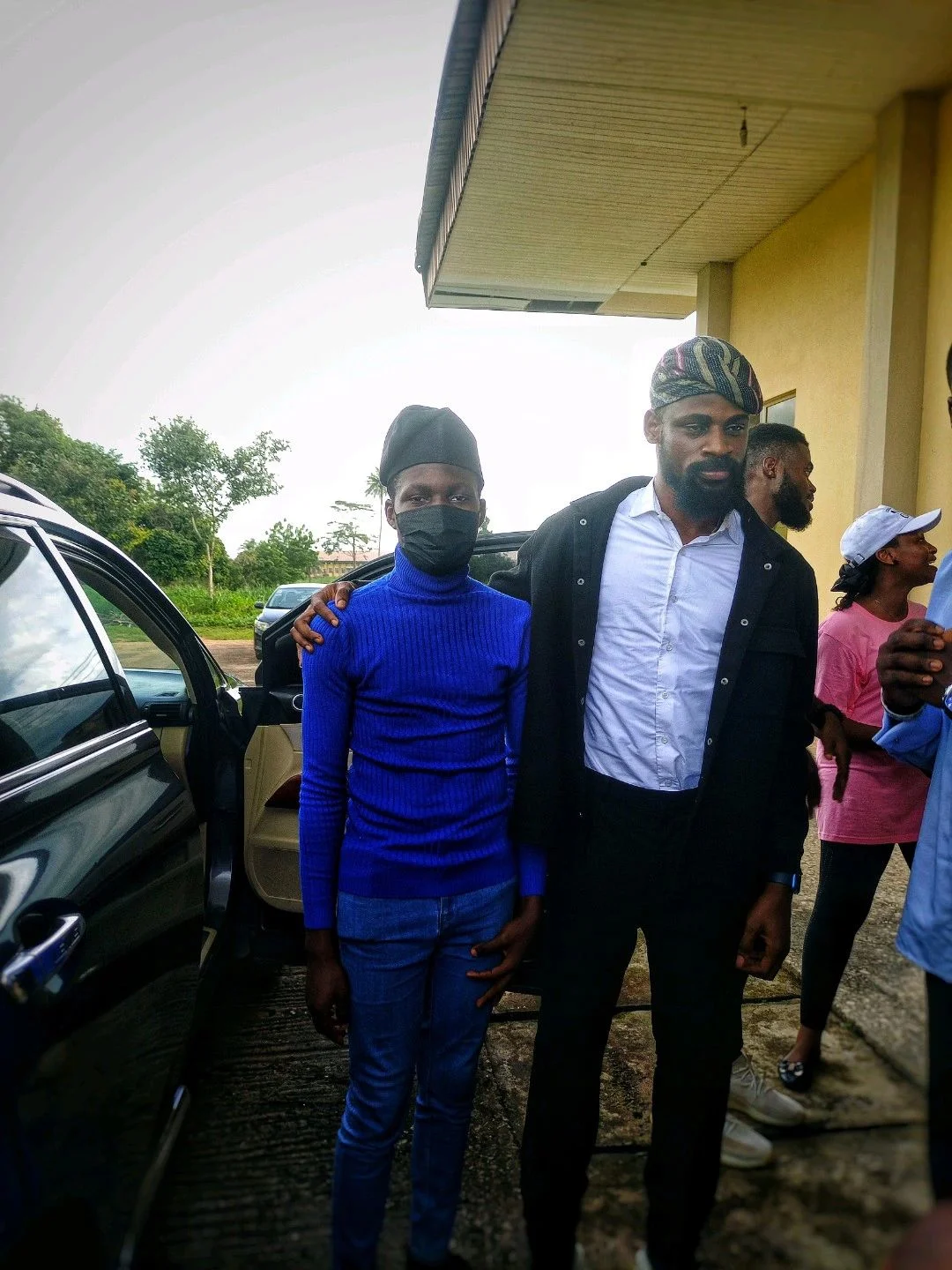
And We're Just Getting Started.#
I don't know exactly what the next ten years will look like. Maybe I'll build companies. Maybe I'll build products used by millions of people. Maybe I'll teach thousands more people. Maybe Ilesa Tech will become something much bigger than I currently imagine.
Maybe I'll fail at a few things along the way. Actually... I probably will. 😂 But that's okay.
Because if there's one thing my journey has taught me, it is that the path doesn't have to be straight. The kid who wanted to hack systems became a programmer. The programmer became a teacher. The teacher became an engineer.
The engineer became a builder. The builder became a community organiser. And now I'm trying to build an ecosystem where other people can start their own journeys. So, if you ever wondered where garriTech came from... It's not really about garri.
It's about curiosity. It's about being memorable. It's about building with whatever you have. And most importantly:
it's about not waiting for someone else to build the opportunity you wish existed.
Sometimes, you just have to build it yourself.
— Treasure Abiodun-Onajobi garriTech